Is Cabinet Refacing Worth It? A Cost Breakdown for Homeowners
Vote for The Cabinet Market: Best of the Beach 2026

For homeowners living near the coast, kitchen cabinetry must withstand far more than everyday wear and tear. Coastal environments create unique challenges involving humidity, salt air exposure, fluctuating temperatures, and seasonal moisture levels that may gradually affect cabinet durability, finish quality, and long-term kitchen performance. In areas near the ocean, cabinetry materials that perform well in dry climates may warp, swell, crack, or deteriorate more quickly if they are not designed for humid conditions. Because cabinets represent one of the largest investments in a kitchen remodel, choosing the right materials and finishes is critical for protecting long-term value and reducing future maintenance concerns. The Cabinet Market helps homeowners select cabinetry solutions designed for durability, functionality, and timeless coastal design while accounting for the environmental demands that affect kitchens in humid regions. Whether remodeling a primary residence, beach home, vacation property, or investment property, understanding which cabinet materials and finishes perform best in coastal climates can help homeowners create kitchens that remain beautiful and functional for years to come.
Why Coastal Humidity Affects Kitchen Cabinets
Humidity affects cabinetry because wood and wood-based materials naturally expand and contract as moisture levels change. In coastal climates, kitchens are often exposed to elevated moisture levels throughout the year, especially during warmer seasons when humidity remains consistently high.
Several environmental factors commonly affect kitchen cabinetry in coastal homes:
- Elevated indoor humidity
- Salt air exposure
- Frequent temperature fluctuations
- Increased moisture near windows and doors
- Seasonal occupancy changes
These conditions may gradually contribute to:
- Cabinet warping
- Swelling or expansion
- Finish deterioration
- Joint separation
- Hardware corrosion
Kitchens located near the coast also frequently experience heavier entertaining use, open-air ventilation, and indoor-outdoor living patterns that increase environmental exposure compared to inland homes.
According to the National Kitchen & Bath Association (NKBA), material durability and moisture resistance remain among the most important considerations in kitchen remodeling projects for coastal environments.
Cabinet construction quality becomes especially important because poorly built cabinets may deteriorate faster under humid conditions even if the kitchen itself appears visually appealing initially.
Homeowners evaluating how to maximize return on investment in your kitchen remodel often discover that durable cabinetry materials play a major role in long-term kitchen value and maintenance costs.
The Cabinet Market helps homeowners evaluate cabinetry materials based on durability, environmental resistance, long-term maintenance expectations, and overall kitchen functionality.
Plywood Cabinet Construction Often Performs Better Than Particle Board
One of the most important factors affecting cabinet durability in humid climates is cabinet box construction. While some lower-cost cabinets rely heavily on particle board or low-density engineered materials, these products may become vulnerable to swelling and deterioration when exposed to long-term moisture fluctuations.
Plywood cabinet construction is often preferred in humid environments because it generally offers:
- Better structural stability
- Improved moisture resistance
- Stronger screw retention
- Reduced swelling risk
- Greater long-term durability
High-quality plywood cabinets are constructed using layered wood veneers that provide additional strength and dimensional stability compared to particle board products.
Particle board cabinets may absorb moisture more easily, which can lead to:
- Sagging shelves
- Cabinet expansion
- Delamination
- Surface bubbling
- Reduced lifespan
Homeowners evaluating cabinetry for humid climates should pay close attention to:
- Cabinet box materials
- Interior panel construction
- Moisture-resistant coatings
- Joinery quality
- Hardware durability
According to the National Association of Home Builders (NAHB), homeowners increasingly prioritize durable building materials capable of supporting long-term performance in demanding environmental conditions.
Homeowners researching choosing the right cabinets often compare cabinet construction materials to better understand durability differences between plywood, engineered wood, and particle board products.
The Cabinet Market frequently recommends high-quality plywood construction for kitchens exposed to elevated moisture and humidity levels because of its long-term structural reliability.
Thermofoil and High-Quality Painted Finishes Offer Different Benefits
Cabinet finish selection also plays a major role in long-term durability. Certain finishes perform better than others in humid coastal kitchens depending on maintenance expectations, sunlight exposure, and overall kitchen usage.
Thermofoil cabinets are often chosen because they provide:
- Smooth moisture-resistant surfaces
- Easy cleaning
- Consistent color appearance
- Lower maintenance requirements
- Affordable pricing
Thermofoil cabinetry uses vinyl material bonded over engineered cabinet surfaces, creating a non-porous exterior that resists moisture penetration effectively.
However, thermofoil may become vulnerable to:
- Heat exposure near ovens
- Peeling over time
- Surface separation
- Limited refinishing flexibility
Many homeowners also choose painted wood cabinetry for coastal kitchens because painted finishes support timeless design aesthetics and allow greater customization flexibility.
Popular coastal cabinet finishes often include:
- Soft white tones
- Light gray finishes
- Sand-inspired neutrals
- Natural wood textures
- Matte coastal colors
High-quality painted cabinetry may perform very well in humid climates when professionally finished using durable protective coatings designed for kitchen environments.
According to Houzz kitchen trend research, homeowners continue favoring lighter cabinet finishes that create bright, open kitchens aligned with coastal living aesthetics.
Homeowners exploring timeless kitchen cabinet colors often prioritize lighter finishes that combine long-term style flexibility with coastal design appeal.
The Cabinet Market helps homeowners compare cabinet finish options based on durability, maintenance needs, visual appeal, and long-term kitchen design goals.
Solid Wood Cabinets Require Proper Finishing and Climate Consideration
Solid wood cabinetry remains highly desirable because of its strength, natural beauty, and timeless appearance. However, homeowners should understand that natural wood responds to environmental moisture differently than engineered materials.
In humid climates, improperly sealed wood cabinetry may experience:
- Expansion and contraction
- Joint movement
- Surface cracking
- Finish stress
- Warping over time
That does not mean solid wood should be avoided entirely. High-quality solid wood cabinets may perform exceptionally well when:
- Properly sealed
- Professionally installed
- Paired with climate-controlled interiors
- Maintained consistently
- Built using stable hardwood species
Certain hardwoods often perform better in humid conditions because of their density and durability.
Popular cabinet wood species include:
- Maple
- Oak
- Birch
- Cherry
- White oak
Many homeowners prefer combining solid wood cabinet doors with plywood cabinet boxes to balance durability, aesthetics, and environmental performance.
The Cabinet Market works with homeowners to select cabinet materials and finishes tailored to kitchen usage patterns, humidity exposure, maintenance preferences, and long-term design goals.
Cabinet Hardware and Storage Features Matter in Coastal Kitchens
Cabinet durability involves more than cabinet boxes and finishes alone. Hardware, hinges, drawer slides, and organizational systems also affect long-term kitchen performance in humid climates.
Salt air and elevated moisture may gradually contribute to:
- Hinge corrosion
- Hardware discoloration
- Drawer slide wear
- Reduced soft-close performance
- Rust development
Homeowners should look for:
- Corrosion-resistant hardware
- Soft-close hinges
- Durable drawer slide systems
- Moisture-resistant interior finishes
- Quality protective coatings
Several cabinet storage upgrades may also improve functionality and long-term organization:
- Pull-out shelving
- Pantry systems
- Deep drawer storage
- Vertical tray organizers
- Soft-close drawer systems
According to the National Kitchen & Bath Association (NKBA), homeowners increasingly prioritize kitchen storage functionality and long-term durability when planning remodels.
Homeowners interested in improving organization may also benefit from reviewing kitchen organizers for cabinets, drawers, and more when planning cabinetry upgrades for coastal kitchens.
The Cabinet Market helps homeowners select cabinetry systems designed for both coastal durability and everyday kitchen usability.
Timeless Coastal Design Still Matters Alongside Durability
While durability is critical in humid environments, homeowners should also consider long-term design appeal. The best coastal kitchens balance moisture-resistant materials with timeless visual style that remains attractive for years to come.
Popular coastal kitchen design elements often include:
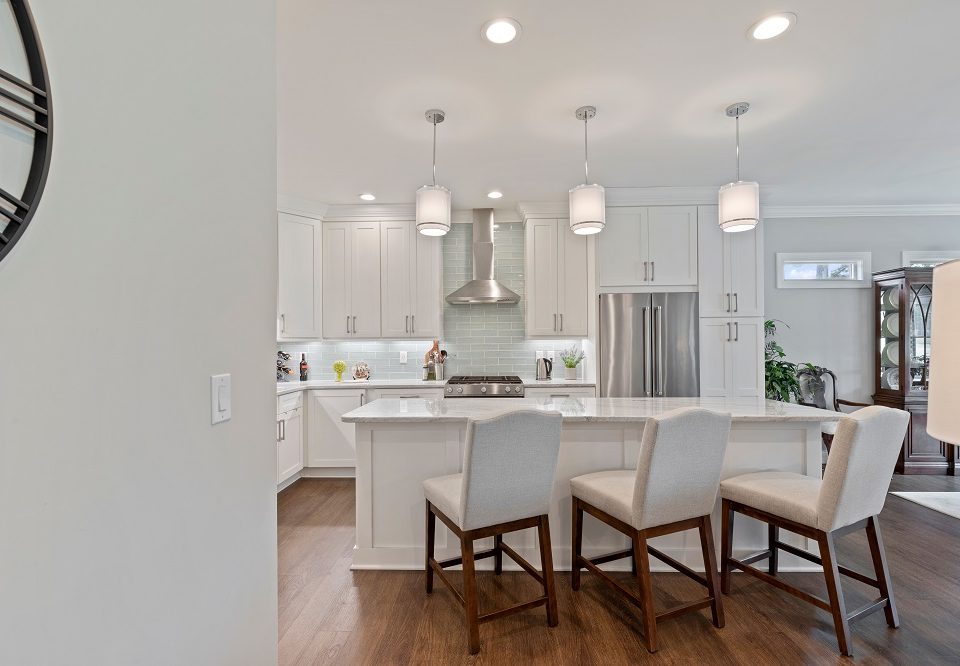
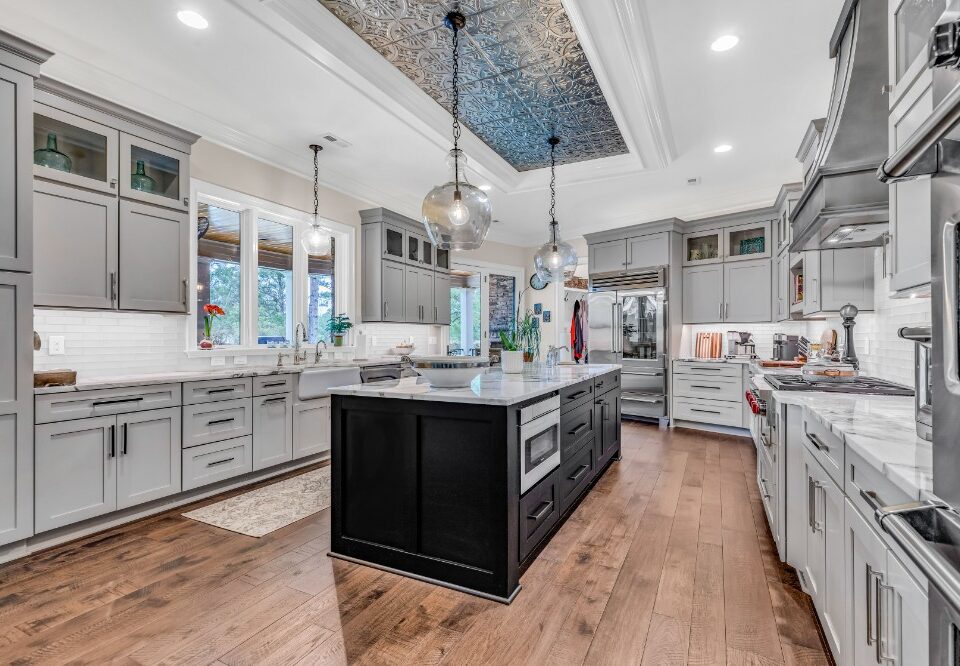
- Light neutral cabinetry
- Natural textures
- Bright open layouts
- Quartz countertops
- Matte or brushed hardware finishes
Many homeowners now prefer kitchens that feel relaxed, bright, and functional rather than heavily themed or overly trendy.
The most successful kitchen renovations combine:
- Durable construction
- Moisture-resistant finishes
- Functional storage systems
- Timeless cabinet colors
- Practical everyday usability
Homeowners planning larger renovations may also benefit from reviewing how to plan a kitchen remodel before selecting cabinetry materials, finishes, and layouts for coastal environments.
The Cabinet Market helps homeowners create kitchen designs that balance coastal aesthetics, environmental durability, and long-term property value.
Best Cabinet FAQs for Coastal Myrtle Beach
What cabinet materials work best in humid climates?
Plywood cabinet construction, moisture-resistant finishes, and properly sealed hardwood materials often perform best in humid environments.
Are particle board cabinets bad for coastal homes?
Particle board may be more vulnerable to swelling and moisture damage compared to plywood or higher-quality engineered cabinet materials.
What cabinet finish is best for coastal kitchens?
Painted finishes, thermofoil surfaces, and moisture-resistant protective coatings are commonly used in coastal kitchen designs.
Do coastal kitchens require special cabinet hardware?
Corrosion-resistant hardware and durable soft-close systems often perform better in humid and salt-air environments.
How can homeowners protect cabinets from humidity?
Climate control, proper ventilation, quality materials, and moisture-resistant finishes all help improve cabinet longevity in coastal homes.
If you are planning a kitchen remodel or cabinet upgrade, contact The Cabinet Market or come see our showroom at 4551 US Highway 17 Bypass South, Myrtle Beach, SC 29577.to create cabinetry solutions designed for coastal durability, timeless style, and long-term kitchen performance.
Ready to get started? Give us a call at (843) 293-3030 or make an appointment to visit our showroom at The Cabinet Market, 4551 Highway 17 Bypass South, Myrtle Beach, SC 29577. You can also contact us online.