
Top Cabinet Color Trends for Coastal Kitchens

Small Kitchen Remodel Ideas That Maximize Space and Functionality
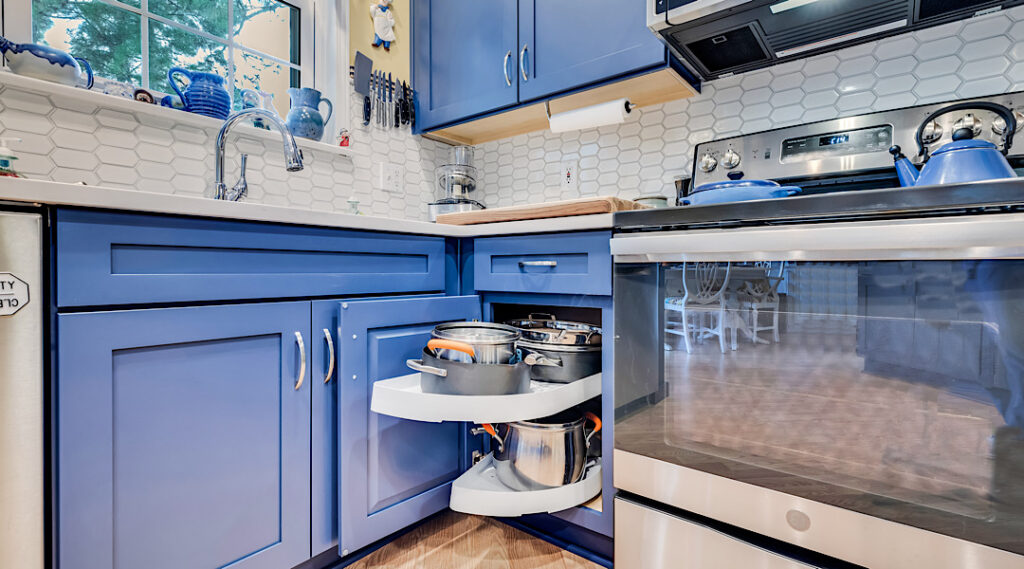
Kitchen remodeling projects often represent one of the biggest opportunities to improve both daily living and long-term property value. A well-designed kitchen can improve functionality, increase storage, modernize the home, and create a stronger return on investment when it comes time to sell. However, while kitchen renovations can deliver major benefits, costly mistakes during planning and construction may quickly turn an exciting project into a stressful and expensive experience. Poor budgeting, rushed contractor decisions, inefficient layouts, and trend-driven design choices are among the most common problems homeowners encounter during remodeling projects. Many homeowners focus heavily on aesthetics while overlooking practical functionality, long-term durability, and workflow efficiency. The Cabinet Market helps homeowners create kitchen remodeling solutions designed around organization, functionality, visual appeal, and long-term value. Whether planning a full kitchen renovation or upgrading cabinetry and storage systems, understanding the most common kitchen remodeling mistakes can help homeowners avoid unnecessary setbacks and make smarter renovation decisions from the start.
Failing to Create a Realistic Remodeling Budget
One of the most common kitchen remodeling mistakes homeowners make is underestimating the true cost of renovation. Many projects begin with inspiration photos and design ideas but without a realistic understanding of labor costs, material pricing, installation timelines, and contingency planning.
Kitchen remodeling expenses often increase unexpectedly because homeowners overlook:
- Cabinet installation costs
- Plumbing and electrical adjustments
- Permit requirements
- Material delivery fees
- Temporary living disruptions during construction
According to Remodeling Magazine’s Cost vs. Value Report, kitchen renovations continue ranking among the most valuable home improvement projects when budgets are planned strategically and aligned with long-term goals.
One major budgeting mistake is focusing too heavily on cosmetic upgrades while ignoring practical functionality issues such as layout flow, storage limitations, lighting quality, or cabinetry performance. Some homeowners spend heavily on decorative finishes while overlooking the operational features that affect daily kitchen usability the most.
Several budget-related remodeling problems commonly include:
- Choosing overly customized finishes
- Constantly changing project scope
- Prioritizing aesthetics over durability
- Failing to reserve contingency funds
- Selecting low-quality materials to reduce upfront cost
Most remodeling professionals recommend maintaining a contingency reserve because hidden issues behind walls, flooring, plumbing, or cabinetry are common during renovation projects.
Homeowners researching how to create a realistic budget for your dream kitchen often discover that early budgeting and project organization help prevent expensive mid-project changes.
The Cabinet Market works with homeowners to create remodeling plans that balance design goals, functionality, and long-term investment value without sacrificing quality or practical performance.
Poor Kitchen Layout Planning Creates Long-Term Frustration
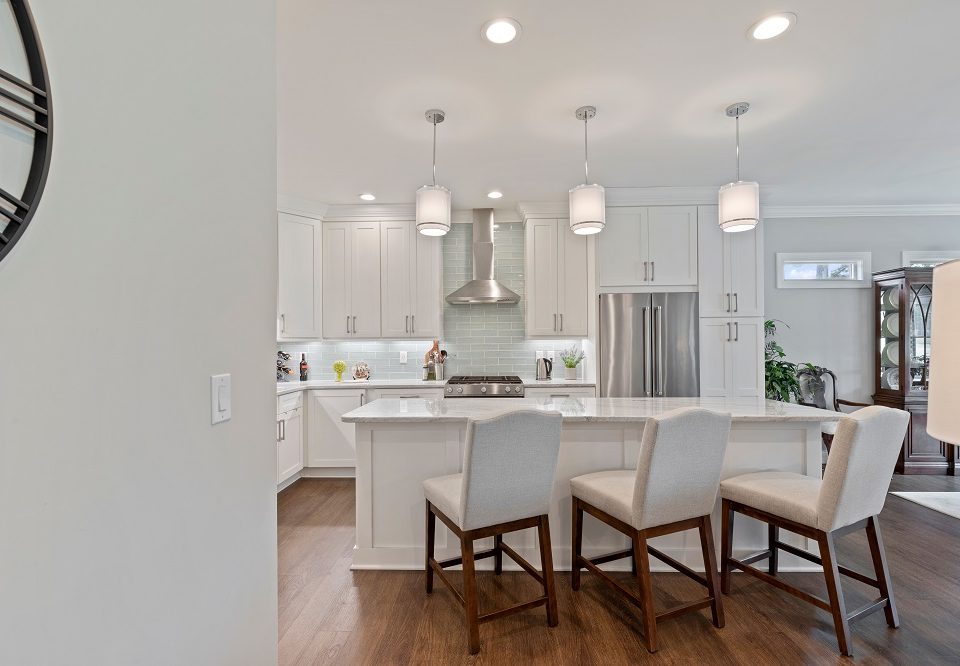
Another major kitchen planning mistake involves focusing too heavily on appearance while overlooking how the kitchen actually functions every day. Even visually beautiful kitchens may become frustrating if layouts fail to support cooking, storage, entertaining, and movement efficiently.
Many homeowners regret renovations that create:
- Limited countertop workspace
- Poor appliance spacing
- Insufficient storage
- Narrow traffic pathways
- Awkward island placement
Open-concept kitchen designs remain highly desirable, but removing walls or changing layouts without careful planning may negatively affect traffic flow and functionality.
Several layout considerations are especially important during remodeling:
- Workflow between sink, stove, and refrigerator
- Adequate prep space
- Seating and entertaining areas
- Natural lighting integration
- Storage accessibility
Kitchen islands continue growing in popularity, but oversized islands may crowd smaller kitchens and reduce usable movement space if dimensions are not carefully planned.
According to the National Kitchen & Bath Association (NKBA), functional layout design remains one of the most important factors influencing long-term kitchen satisfaction.
Homeowners should also evaluate how their household actually uses the kitchen. Families who entertain frequently may prioritize gathering space and beverage storage, while avid cooks may focus more heavily on prep areas, pantry organization, and appliance placement.
Several kitchen planning mistakes commonly occur when homeowners copy trends without considering practical daily use:
- Installing insufficient cabinetry
- Ignoring pantry storage needs
- Choosing oversized fixtures
- Sacrificing function for aesthetics
- Overcomplicating kitchen flow
Homeowners evaluating layout efficiency may also benefit from reviewing avoid these 7 kitchen layout mistakes before finalizing renovation plans.
The Cabinet Market helps homeowners design kitchens tailored to real lifestyle needs rather than short-term design trends alone.
Choosing Contractors Based Only on Price Can Lead to Costly Problems
Hiring the wrong contractor remains one of the most expensive mistakes homeowners make during kitchen remodeling projects. While budget matters, choosing the lowest bid without evaluating experience, communication, project management, and installation quality often results in delays, unexpected costs, and disappointing outcomes.
Several contractor-related mistakes homeowners should avoid include:
- Failing to verify licensing and insurance
- Not reviewing past project work
- Ignoring communication concerns
- Accepting vague project timelines
- Skipping detailed written agreements
Homeowners should request:
- Clear project scopes
- Installation schedules
- Material specifications
- Payment timelines
- Warranty information
According to the National Association of Home Builders (NAHB), homeowners who invest more time in contractor selection often experience smoother remodeling outcomes and fewer construction-related issues.
Communication becomes especially important during kitchen remodeling because delays involving cabinetry, countertops, flooring, or appliances may affect the entire project timeline.
Several warning signs may indicate contractor problems:
- Unrealistically low pricing
- Poor responsiveness
- Limited references
- Inconsistent scheduling
- Lack of design collaboration
The Cabinet Market works closely with homeowners to support organized remodeling coordination focused on craftsmanship, transparency, and long-term kitchen performance.
Overlooking Storage and Cabinet Functionality
Many homeowners focus heavily on countertops, backsplash design, and appliances while underestimating how important cabinetry and storage functionality are for long-term kitchen satisfaction.
Poor storage planning often leads to:
- Countertop clutter
- Limited pantry organization
- Inefficient cabinet access
- Wasted corner space
- Reduced kitchen usability
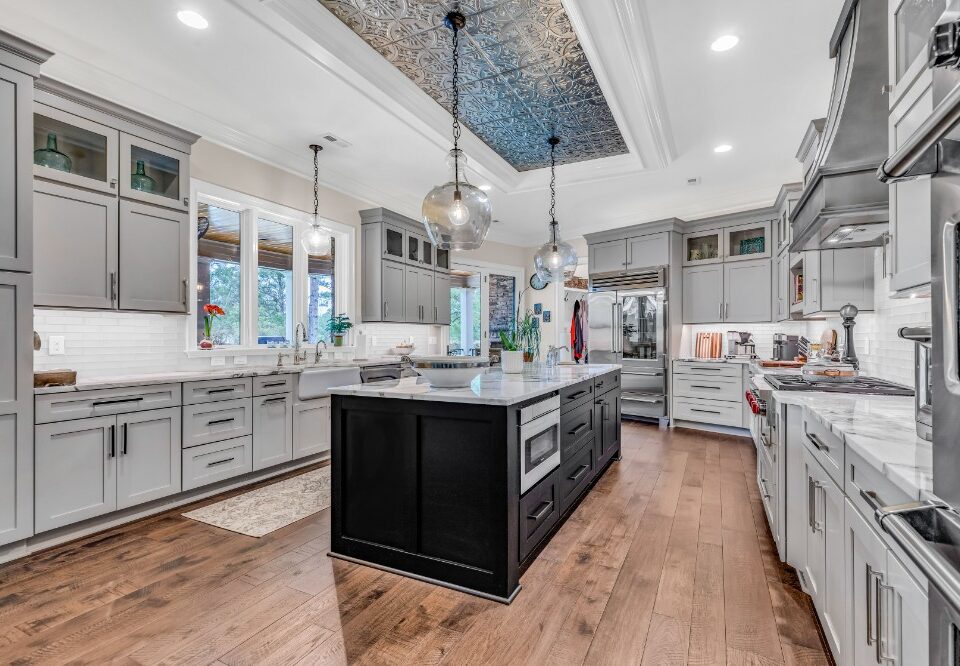
Cabinets occupy a significant portion of the kitchen visually and functionally, making them one of the most important investments in any renovation project.
Several storage-focused upgrades may improve long-term kitchen functionality:
- Deep drawer storage
- Pull-out shelving
- Soft-close hardware
- Vertical tray storage
- Pantry organization systems
Homeowners exploring timeless kitchen cabinet colors often realize that cabinetry decisions affect not only aesthetics, but also resale flexibility and long-term kitchen cohesion.
According to Houzz kitchen trend research, homeowners increasingly prioritize storage efficiency and organizational features during remodeling projects.
Many kitchen remodeling mistakes occur because homeowners underestimate future storage needs or fail to evaluate how kitchen organization affects daily workflow.
Homeowners interested in improving functionality may also benefit from exploring kitchen organizers for cabinets, drawers, and more and how to maximize storage in small kitchens and bathrooms.
The Cabinet Market helps homeowners create cabinetry solutions tailored to both visual design goals and long-term functionality.
Following Short-Term Trends Instead of Timeless Design
Trendy kitchens may look appealing initially, but highly specific design choices sometimes age quickly and reduce long-term resale flexibility. Homeowners planning major renovations should balance current trends with timeless design principles that maintain appeal over time.
Several design choices tend to remain more timeless:
- Neutral cabinet finishes
- Functional layouts
- Quality lighting
- Durable countertop materials
- Consistent design flow
Overly bold trends may eventually feel dated or limit buyer appeal if homeowners decide to sell later.
Many buyers prioritize kitchens that feel:
- Bright and open
- Move-in ready
- Functional for daily living
- Modern but approachable
- Durable for long-term use
According to Zillow housing trend research, updated kitchens with broad market appeal often improve buyer interest and listing performance more effectively than highly personalized renovations.
Homeowners comparing cabinetry upgrades sometimes benefit from understanding how to maximize return on investment in your kitchen remodel, choosing the right cabinets, and choosing the best material for your new kitchen countertops before committing to final renovation decisions.
The Cabinet Market helps homeowners create kitchen designs that balance modern style trends with lasting functionality, practical durability, and long-term property value.
Frequently Asked Questions
What is the biggest kitchen remodeling mistake homeowners make?
Poor planning and unrealistic budgeting are among the most common mistakes during kitchen remodeling projects.
How much contingency should homeowners budget for renovations?
Many remodeling professionals recommend setting aside additional funds for unexpected construction or material costs.
Why is kitchen layout important during remodeling?
A functional layout improves workflow, storage access, traffic flow, and long-term kitchen usability.
How do homeowners choose the right remodeling contractor?
Homeowners should evaluate experience, references, communication, licensing, project transparency, and installation quality rather than focusing only on price.
What kitchen upgrades improve long-term value the most?
Cabinet upgrades, functional layouts, improved storage, updated lighting, and durable countertop materials often provide strong long-term value.
If you are planning a kitchen remodel, contact The Cabinet Market or, come see our showroom at 4551 US Highway 17 Bypass South, Myrtle Beach, SC 29577.to create cabinetry and remodeling solutions designed around functionality, organization, timeless design, and long-term performance.
Ready to get started? Give us a call at (843) 293-3030 or make an appointment to visit our showroom at The Cabinet Market, 4551 Highway 17 Bypass South, Myrtle Beach, SC 29577. You can also contact us online.